Maa Baglamukhi Jayanti: History, Religious Significance and Traditional Celebrations
By Acharya Deepak Guru | Sarva Siddh Peeth, Nalkheda (M.P.)
Introduction
Maa Baglamukhi Jayanti is an important religious occasion observed by devotees of Maa Baglamukhi. Maa Baglamukhi is worshipped as one of the ten Mahavidyas in Hindu tradition. This occasion is associated with devotion, prayer and traditional forms of worship.
Devotees observe this day according to their religious beliefs and family traditions. Maa Baglamukhi Jayanti is also an opportunity to learn about the religious significance of Maa Baglamukhi and the traditions associated with her worship.
For more information about Maa Baglamukhi and her religious significance, visit Online Maa Baglamukhi Havan.
Who Is Maa Baglamukhi?
Maa Baglamukhi is one of the ten Mahavidyas described in Hindu religious traditions. She is also known by the name Pitambara Devi.
In traditional depictions, Maa Baglamukhi is associated with the colour yellow. Her appearance and symbolism are described in various religious texts and devotional traditions.
Devotees worship Maa Baglamukhi with faith and follow different forms of prayer and पूजा according to their traditions.
When Is Maa Baglamukhi Jayanti Celebrated?
Maa Baglamukhi Jayanti is traditionally observed on the eighth day (Ashtami) of the Shukla Paksha in the month of Vaishakha, according to the Hindu lunar calendar.
The corresponding date in the Gregorian calendar changes every year. Devotees can check the annual Hindu calendar or local temple announcements for the exact date and observance details.
Religious Significance of Maa Baglamukhi Jayanti
Maa Baglamukhi Jayanti holds religious importance among devotees who worship the Goddess as one of the Mahavidyas. The occasion is associated with:
- Devotion towards Maa Baglamukhi.
- Traditional prayers and worship.
- Remembering the religious teachings associated with the Mahavidyas.
- Observing established customs and devotional traditions.
- Participating in religious activities according to personal faith.
The way devotees observe this occasion may differ according to regional and family traditions.
Traditional Worship on Maa Baglamukhi Jayanti
On this occasion, devotees may participate in different forms of worship according to their religious customs. Some commonly associated devotional practices include:
| Practice | Description |
|---|---|
| Maa Baglamukhi Puja | Devotees offer prayers to Maa Baglamukhi and participate in worship according to traditional practices. |
| Yellow Colour in Worship | Yellow flowers, clothing and other offerings may be used according to the customs followed by devotees. |
| Mantra Recitation | Some devotees include the recitation of Maa Baglamukhi mantras in their daily or special devotional practices. |
| Havan and Religious Rituals | Arrangements and procedures depend on the customs followed by the temple or the worshipping family. |
| Temple Visits and Prayers | Devotees may visit temples dedicated to Maa Baglamukhi to offer prayers and join the religious activities organised on the occasion. |
1. Maa Baglamukhi Puja
Devotees offer prayers to Maa Baglamukhi and participate in worship according to traditional practices.
2. Yellow Colour in Worship
Yellow holds a special place in the traditional worship of Maa Baglamukhi. Yellow flowers, clothing and other offerings may be used according to the customs followed by devotees.
3. Mantra Recitation
Some devotees include the recitation of Maa Baglamukhi mantras as part of their daily or special devotional practices.
4. Havan and Religious Rituals
Havan and other traditional rituals may be organised on this occasion. Their arrangements and procedures depend on the customs followed by the temple or the worshipping family.
5. Temple Visits and Prayers
Devotees may visit temples dedicated to Maa Baglamukhi to offer prayers and participate in the religious activities organised on the occasion.
Maa Baglamukhi Temple Nalkheda and Its Religious Importance
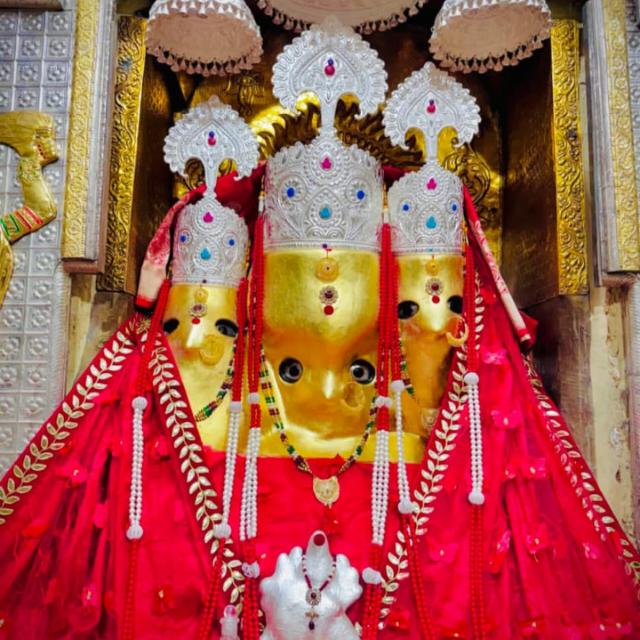
Maa Baglamukhi Temple in Nalkheda, Madhya Pradesh, is a recognised place of worship associated with Maa Baglamukhi.
Devotees visit the temple to offer prayers and participate in traditional worship. The temple is also associated with the religious traditions of Maa Baglamukhi and holds a place in the devotional practices of many visitors.
During religious occasions, devotees may visit the temple according to their personal faith and the arrangements made by the temple authorities.
Celebrating Maa Baglamukhi Jayanti with Devotion
Maa Baglamukhi Jayanti is observed through religious activities and devotional practices. The manner of celebration may vary from one region to another.
Some devotees prefer visiting temples, while others observe the occasion through prayers and worship at home. Families may follow their own customs and traditions while observing this religious day.
Respect for religious customs and participation according to personal beliefs are important aspects of the occasion.
Conclusion
Maa Baglamukhi Jayanti is a religious occasion associated with the worship and devotion of Maa Baglamukhi. It provides an opportunity for devotees to remember the traditions connected with the Goddess and participate in prayers and customary religious activities.
Whether observed at home or at a temple, the occasion reflects the faith and devotional traditions associated with Maa Baglamukhi. Devotees visiting Maa Baglamukhi Temple Nalkheda can follow the temple’s local guidelines and arrangements while participating in the worship.
Maa Baglamukhi Havan Services
Talk to Acharya Deepak Guru and enquire about puja, mantra chanting, Jaap Anushthan and havan arrangements.
Call: +91 62326 53736Visit Website