Festivals Celebrated at Maa Baglamukhi Temple, Nalkheda: Navratri, Jayanti and Special Occasions
By Acharya Deepak Guru | Sarva Siddh Peeth, Nalkheda (M.P.)
Introduction
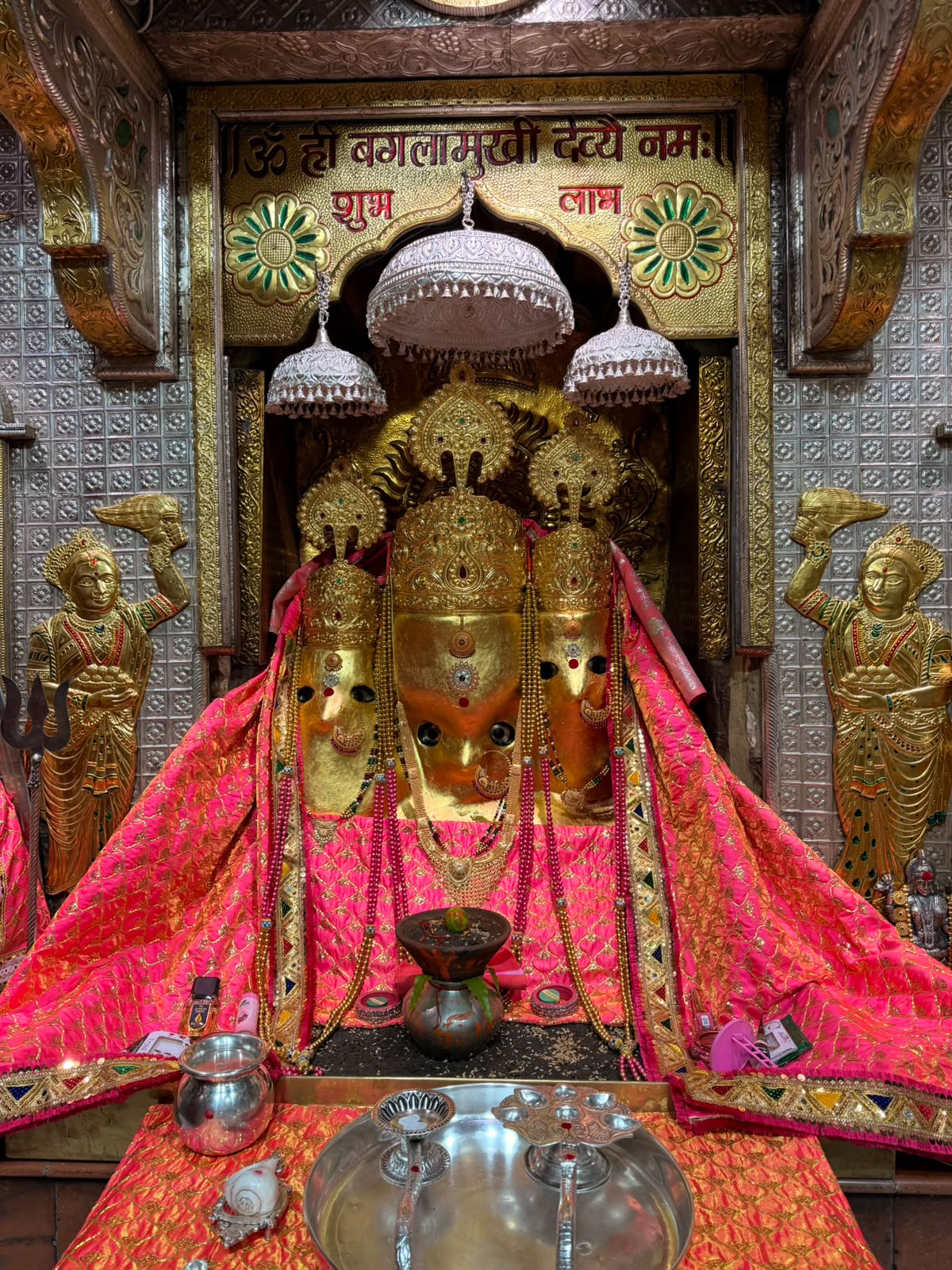
Maa Baglamukhi Temple in Nalkheda, Madhya Pradesh, is a major religious site dedicated to Maa Baglamukhi, one of the ten Mahavidyas. The temple is associated with several Hindu festivals and spiritual celebrations that reflect the devotion and religious traditions of the region.
Chaitra Navratri, Sharad Navratri, and Maa Baglamukhi Jayanti are among the important occasions observed by devotees. These festivals are connected with the worship of Goddess Shakti and hold special significance in Hindu traditions.
For more information about Maa Baglamukhi and her religious significance, visit Online Maa Baglamukhi Havan.
1. Chaitra Navratri at Maa Baglamukhi Temple Nalkheda
Chaitra Navratri is a nine-day Hindu festival dedicated to the worship of Goddess Durga and her different manifestations. It is observed during the Hindu month of Chaitra, usually in March or April.
During these nine days, devotees worship Goddess Shakti and observe traditional religious practices. The festival represents devotion, spiritual discipline, and the victory of positive forces over negativity.
At Maa Baglamukhi Temple Nalkheda, Chaitra Navratri holds religious importance. Devotees visit the temple for darshan and prayers during this auspicious period. The festival also marks the beginning of the Hindu New Year in several Indian regional calendars.
2. Sharad Navratri: Nine Nights Dedicated to Goddess Shakti
Sharad Navratri is one of the major Hindu festivals celebrated across India. It generally falls during September or October and is dedicated to the nine forms of Goddess Durga. The festival is associated with the victory of Goddess Durga over Mahishasura, symbolising the triumph of good over evil.
At Nalkheda, Sharad Navratri is an important period for devotees of Maa Baglamukhi. The temple receives visitors who come to offer prayers and participate in traditional religious observances.
Important aspects of Navratri
- Worship of the nine forms of Goddess Durga.
- Devotional singing and bhajans.
- Religious gatherings and prayers.
- Fasting and spiritual discipline.
- Special significance of Ashtami and Navami.
Navratri reflects the importance of feminine divine energy in Hindu philosophy and religious traditions.
3. Maa Baglamukhi Jayanti: The Divine Appearance Day
Maa Baglamukhi Jayanti is an important religious occasion dedicated to Maa Baglamukhi. It is traditionally observed on Vaishakha Shukla Ashtami, according to the Hindu lunar calendar. The occasion commemorates the divine appearance of the Goddess and is especially significant among her devotees.
Maa Baglamukhi is also known as Pitambara Devi because of her association with the colour yellow. Yellow flowers, yellow garments, and yellow-coloured offerings hold a special place in her traditional worship.
Devotees observe this occasion with prayers and devotional activities. The day represents faith, devotion, and the spiritual importance of Maa Baglamukhi.
4. Vijayadashami: The Celebration of Victory of Good Over Evil
Vijayadashami, also known as Dussehra, is celebrated at the conclusion of Sharad Navratri. The festival symbolises the victory of good over evil and is associated with the victory of Lord Rama over Ravana and Goddess Durga over Mahishasura.
For devotees of Maa Baglamukhi, the occasion has spiritual significance because the Goddess is traditionally associated with strength, protection, and victory. Vijayadashami represents the importance of courage, righteousness and faith in Hindu religious traditions.
5. Guru Purnima and Its Spiritual Importance
Guru Purnima is an important occasion in Hindu culture dedicated to spiritual teachers and gurus. It is observed on the full moon day of the Ashadha month. The occasion highlights the relationship between a guru and a disciple and recognises the importance of knowledge, wisdom and spiritual guidance.
Devotees observe Guru Purnima through prayers, traditional observances and expressions of gratitude towards their teachers. It also reflects the importance of spiritual learning and the preservation of religious traditions.
6. Importance of Yellow Colour During Maa Baglamukhi Celebrations
Yellow is traditionally associated with Maa Baglamukhi and is an important part of her religious identity. The Goddess is popularly known as Pitambara Devi, a name connected with yellow-coloured garments. During religious occasions associated with her, yellow is commonly seen in:
- Devotional clothing.
- Flowers offered to the Goddess.
- Traditional decorations.
- Religious offerings.
- Temple decorations and ceremonial arrangements.
The colour yellow is traditionally associated with knowledge, auspiciousness, prosperity and spiritual energy in Hindu religious practices.
7. Other Auspicious Occasions Associated with Maa Baglamukhi Worship
Apart from major festivals, several other occasions hold importance in Hindu traditions associated with Goddess worship.
| Occasion | Significance |
|---|---|
| Amavasya | The new moon day is considered significant for various spiritual and religious observances. |
| Purnima | The full moon day is associated with prayers, meditation, and devotional activities. |
| Tuesdays | Regarded by many devotees as an important day for Maa Baglamukhi worship. |
These occasions reflect the different ways devotees express their faith and maintain their religious traditions throughout the year.
8. Cultural and Spiritual Significance of Festivals at Nalkheda
Festivals at Maa Baglamukhi Temple Nalkheda are connected with the wider traditions of Shakta worship. They represent devotion towards Goddess Shakti and highlight the importance of faith, discipline and spiritual awareness.
These celebrations also reflect the cultural heritage of Madhya Pradesh, where temples continue to serve as important centres of religious and community life. For devotees, festival occasions are meaningful opportunities for prayer, reflection and participation in traditional celebrations.
Conclusion
Festivals celebrated in connection with Maa Baglamukhi Temple Nalkheda represent the religious traditions and devotion associated with the Goddess. Chaitra Navratri, Sharad Navratri, Maa Baglamukhi Jayanti and Vijayadashami are among the important occasions connected with Goddess worship.
Each festival has its own religious background and cultural significance. Together, these celebrations reflect Maa Baglamukhi’s importance in Hindu Shakti traditions.
Maa Baglamukhi Havan Services
Talk to Acharya Deepak Guru and enquire about puja, mantra chanting, Jaap Anushthan and havan arrangements.
Call: +91 62326 53736Visit Website