Maa Baglamukhi Among the Ten Mahavidyas: Understanding Her Place in Shakti Tradition
By Acharya Deepak Guru | Sarva Siddh Peeth, Nalkheda (M.P.)
Introduction
In Hindu spiritual traditions, Goddess Shakti is worshipped in many forms, each representing a different aspect of divine feminine energy. Among these traditions, the Dash Mahavidyas hold a special place in Shaktism. The term Dash Mahavidya refers to ten forms of the Divine Mother, each associated with distinct spiritual ideas, symbolism, and traditional interpretations.
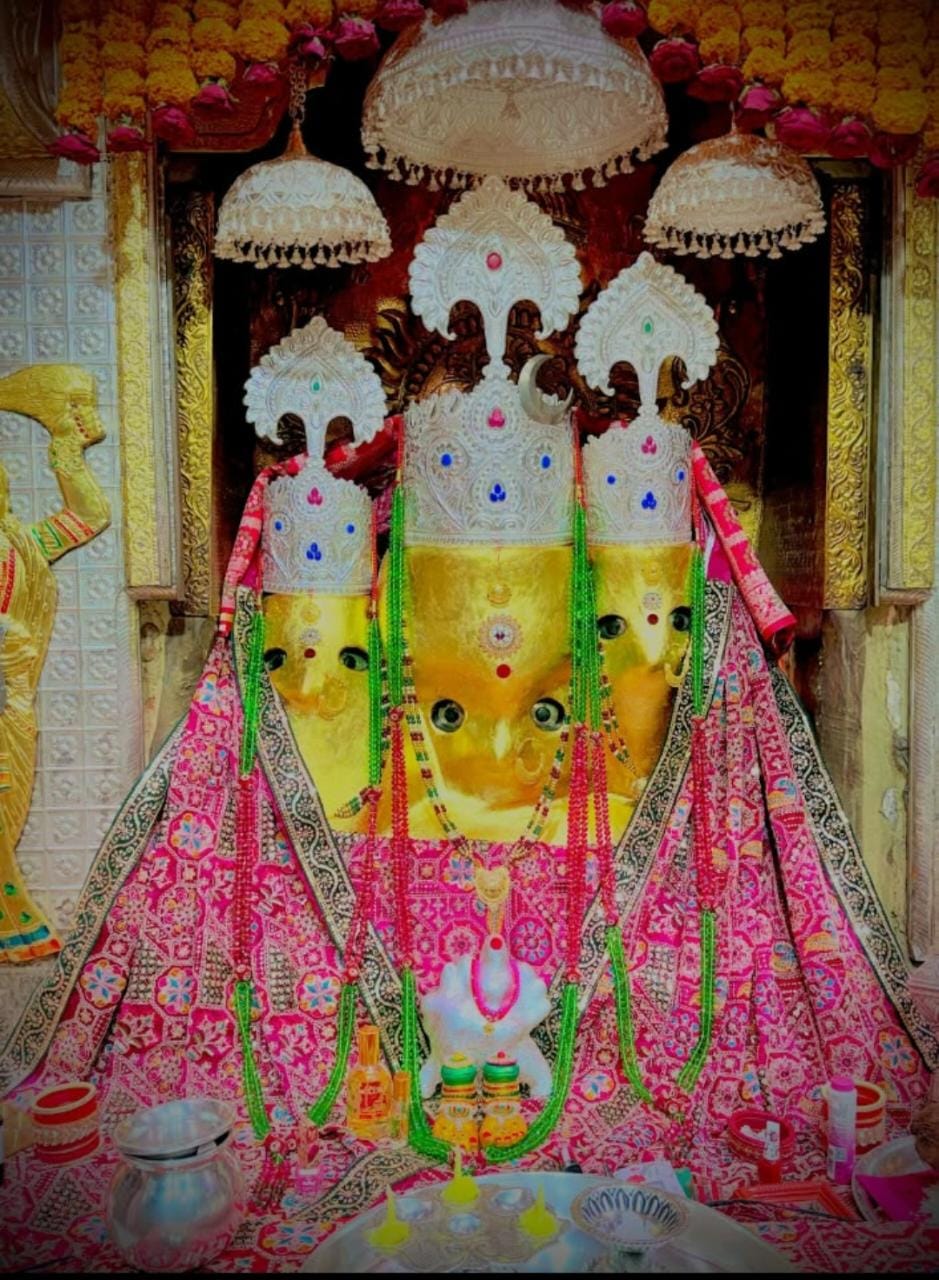
Maa Baglamukhi is one of these ten revered goddesses. Understanding her place among the Mahavidyas offers an opportunity to explore the diversity of Shakti worship and the philosophical ideas associated with the Divine Feminine.
This article explores the Dash Mahavidya tradition, the different forms of the goddesses, and Maa Baglamukhi’s place within this spiritual framework.
For more information about Maa Baglamukhi and her religious significance, visit Online Maa Baglamukhi Havan.
What Are the Dash Mahavidyas?
The Dash Mahavidyas are a group of ten goddesses worshipped within the Shakta tradition of Hinduism. The word ‘Dasha’ means ten, while ‘Mahavidya’ is commonly understood as great wisdom or great knowledge.
These ten forms are traditionally understood as different expressions of the Divine Mother. Each goddess has her own identity, symbolism, and place in Hindu religious traditions.
The commonly recognised ten Mahavidyas are:
- Maa Kali
- Maa Tara
- Maa Tripura Sundari
- Maa Bhuvaneshwari
- Maa Chhinnamasta
- Maa Bhairavi
- Maa Dhumavati
- Maa Baglamukhi
- Maa Matangi
- Maa Kamala
The order and descriptions of these goddesses may differ across religious texts and traditions.
Maa Baglamukhi’s Place Among the Ten Mahavidyas
Maa Baglamukhi occupies the eighth position in a commonly followed listing of the Dash Mahavidyas.
In Shakta traditions, she is associated with the concept of Stambhana, a Sanskrit term generally understood in this context as stilling, restraining, or bringing something to a halt.
Her traditional iconography often depicts her holding the tongue of a figure in one hand and a weapon in the other. This imagery is interpreted within religious traditions through themes of restraint, control, and the power of divine authority.
These descriptions are part of religious symbolism and should be understood within their traditional context rather than as promises of particular results in everyday life.
Understanding the Different Forms of the Divine Mother
Each Mahavidya represents a distinct form of the Divine Feminine. Their individual identities contribute to the broader understanding of Shakti in Hindu philosophy.
| Mahavidya | Traditional Association |
|---|---|
| Maa Kali | Traditionally associated with time, transformation, and the power beyond limitations. |
| Maa Tara | Associated with guidance and protection in various spiritual traditions. |
| Maa Tripura Sundari | Represents divine beauty and the harmonious nature of creation. |
| Maa Bhuvaneshwari | Associated with the universe and the cosmic space. |
| Maa Chhinnamasta | Symbolises self-sacrifice and the complex relationship between life and spiritual awareness. |
| Maa Bhairavi | Associated with spiritual intensity, discipline, and divine power. |
| Maa Dhumavati | Represents a form of the Divine Mother associated with experiences of loss, separation, and life’s difficult realities. |
| Maa Baglamukhi | Traditionally associated with Stambhana and the symbolism of restraint. |
| Maa Matangi | Associated with knowledge, expression, music, and artistic traditions. |
| Maa Kamala | Represents prosperity, abundance, and auspiciousness. |
Together, these forms reflect the many ways in which divine feminine energy is understood and worshipped.
The Spiritual Philosophy Behind the Mahavidya Tradition
The Dash Mahavidya tradition is not simply a collection of ten different goddess forms. It also reflects a broader spiritual understanding of the Divine Mother.
In Shakta philosophy, the Divine Feminine is regarded as a fundamental expression of cosmic power. The different Mahavidyas provide various ways of understanding this divine reality.
Some forms are associated with compassion and abundance, while others represent transformation, discipline, knowledge, or the acceptance of life’s challenging experiences.
This diversity demonstrates that Hindu spiritual traditions approach the Divine through different symbols, stories, and philosophical perspectives.
It is also important to recognise that interpretations can vary between religious texts, regional traditions, and individual schools of worship.
Why Is Understanding the Dash Mahavidyas Important?
Learning about the Dash Mahavidyas helps people understand the diversity of Hindu religious traditions. It provides insight into:
- The different forms in which Goddess Shakti is worshipped.
- The symbolism associated with individual goddesses.
- The relationship between mythology, philosophy, and religious practices.
- The importance of the Divine Feminine in Shakta traditions.
- The cultural and spiritual diversity of Hindu worship.
For devotees, learning about these traditions can also provide a deeper understanding of the goddess they worship and the religious heritage associated with her.
Respecting Different Traditions of Maa Baglamukhi Worship
Maa Baglamukhi is worshipped by devotees in different parts of India. Religious practices, temple customs, and interpretations may vary depending on regional traditions and family beliefs.
Some devotees follow traditional prayers and worship practices, while others learn about the goddess through religious literature, temple visits, and spiritual discussions.
Respecting these differences is important when discussing Hindu religious traditions. No single description should be treated as the only interpretation followed by every devotee.
Religious faith is personal, and every individual may have their own way of connecting with the Divine Mother.
Frequently Asked Questions (FAQs)
1. Who are the Dash Mahavidyas?
The Dash Mahavidyas are ten forms of Goddess Shakti worshipped in the Shakta tradition of Hinduism. Each form has its own religious identity, symbolism, and spiritual significance.
2. Is Maa Baglamukhi one of the Dash Mahavidyas?
Yes. Maa Baglamukhi is traditionally recognised as one of the ten Mahavidyas and is commonly listed in the eighth position.
3. What does Mahavidya mean?
Mahavidya is commonly translated as great wisdom or great knowledge. It refers to the ten revered forms of the Divine Mother in this tradition.
4. What is the traditional association of Maa Baglamukhi?
Maa Baglamukhi is traditionally associated with Stambhana, a concept involving stilling or restraint. Her iconography is interpreted through various religious and symbolic meanings.
5. Are all ten Mahavidyas worshipped in the same way?
No. Worship practices, rituals, and traditions can differ according to the individual goddess, religious school, region, and family customs.
Conclusion
The Dash Mahavidya tradition offers a meaningful way to understand the different expressions of Goddess Shakti in Hindu spirituality. Each goddess represents a distinct aspect of the Divine Feminine, contributing to a rich tradition of religious symbolism and philosophical thought.
Maa Baglamukhi holds an important place within this group. Learning about her position among the ten Mahavidyas helps devotees and readers explore her traditional identity within the wider Shakta tradition.
Approaching these subjects with knowledge, respect, and an understanding of their cultural context allows religious traditions to be discussed thoughtfully and responsibly.
Maa Baglamukhi Havan Services
Talk to Acharya Deepak Guru and enquire about puja, mantra chanting, Jaap Anushthan and havan arrangements.
Call: +91 62326 53736Visit Website